
Catering 4 minute read
Party trays: build a meal your guests can share
A party-tray order works best when you can picture the meal on the table. Are guests sitting down together, stopping by through the afternoon, or bringing dishes of their own? Start there, then choose the food. Olamendi’s offers items by the dozen, sides in trays, family packages, and meat by the pound. Each format can play a different part in a gathering, and knowing the difference makes it easier to ask for the quantities you need.
Updated
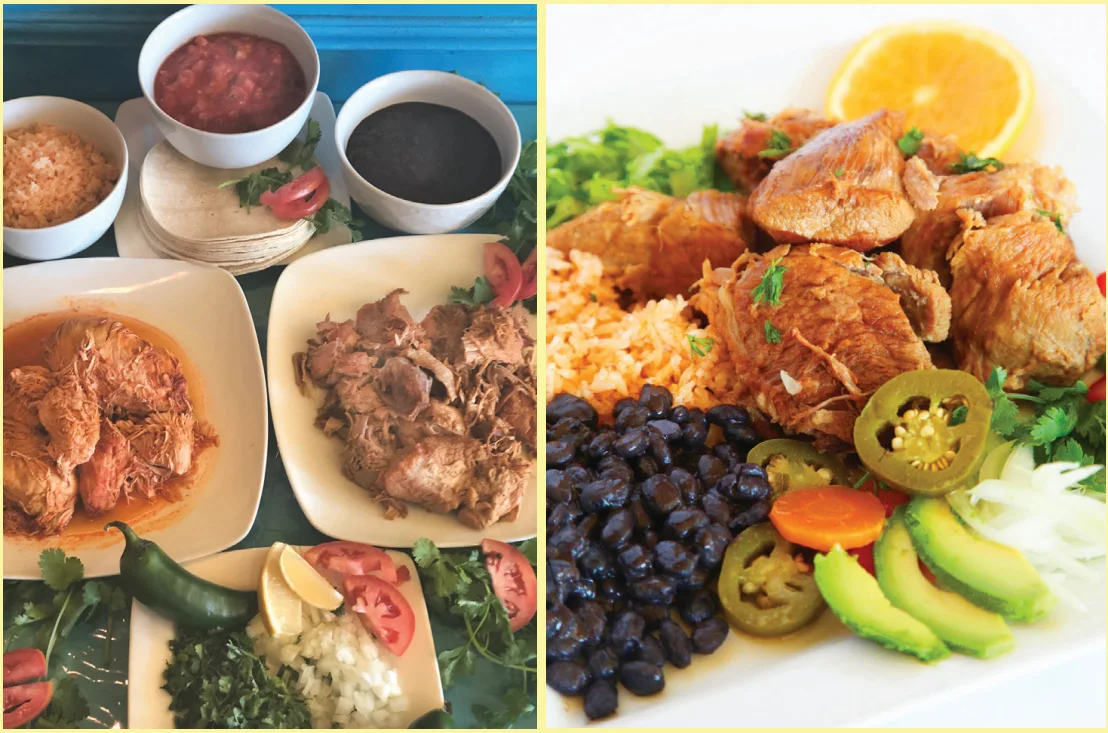
Count pieces, pounds, and packages separately
Tacos, enchiladas, tamales, taquitos, and flautas are among the choices sold by the dozen. Two dozen tacos means twenty-four pieces. How many guests that feeds depends on their appetites and what else you serve, so keep the piece count separate from the head count.
Rice, beans, and salads come in trays. The meat-by-the-pound section uses weight, while family packages combine a main choice with accompaniments. Write the ordering unit beside each dish in your notes. That makes it easy to review a request such as tacos by the dozen, a rice tray, and a separate meat order without confusing the quantities.
Choose the food format that fills the gap
By-the-pound choices include chicken breast in red sauce, carnitas, carne asada, fajitas, beef barbacoa, and fresh fish ceviche. If you already have rice, beans, or tortillas planned, this section gives you a way to discuss the main part of the meal separately.
Family packages include tortillas, salsa, rice, beans, and condiments. Check the included quantities before adding more sides. They are a different purchase from meat alone, even when the name of the main dish is similar.
Give the portion question some context
Instead of asking only how many people a tray feeds, describe the meal you are building. The catering team can give a more useful recommendation when they know how the dishes will be served together.
- Expected adults and children, with any uncertain attendance noted.
- A full meal, a lighter spread, or food alongside other dishes.
- Everyone eating together or guests arriving at different times.
- The main dishes and sides you would like to include.
- Ingredient questions that need an answer before you choose.
Make room for the food before collection day
Picture where the trays will go and how guests will reach them. If you are using a clubhouse, office, or other shared room, check access times and the available table space. Choose who will collect the order and who will be there to receive it.
Ask which serving supplies come with the order and what you should bring. Plates, utensils, and a place to set out the food are easier to arrange ahead of time than while guests are arriving. Keep the collection time and intended serving time as separate entries in your plan.
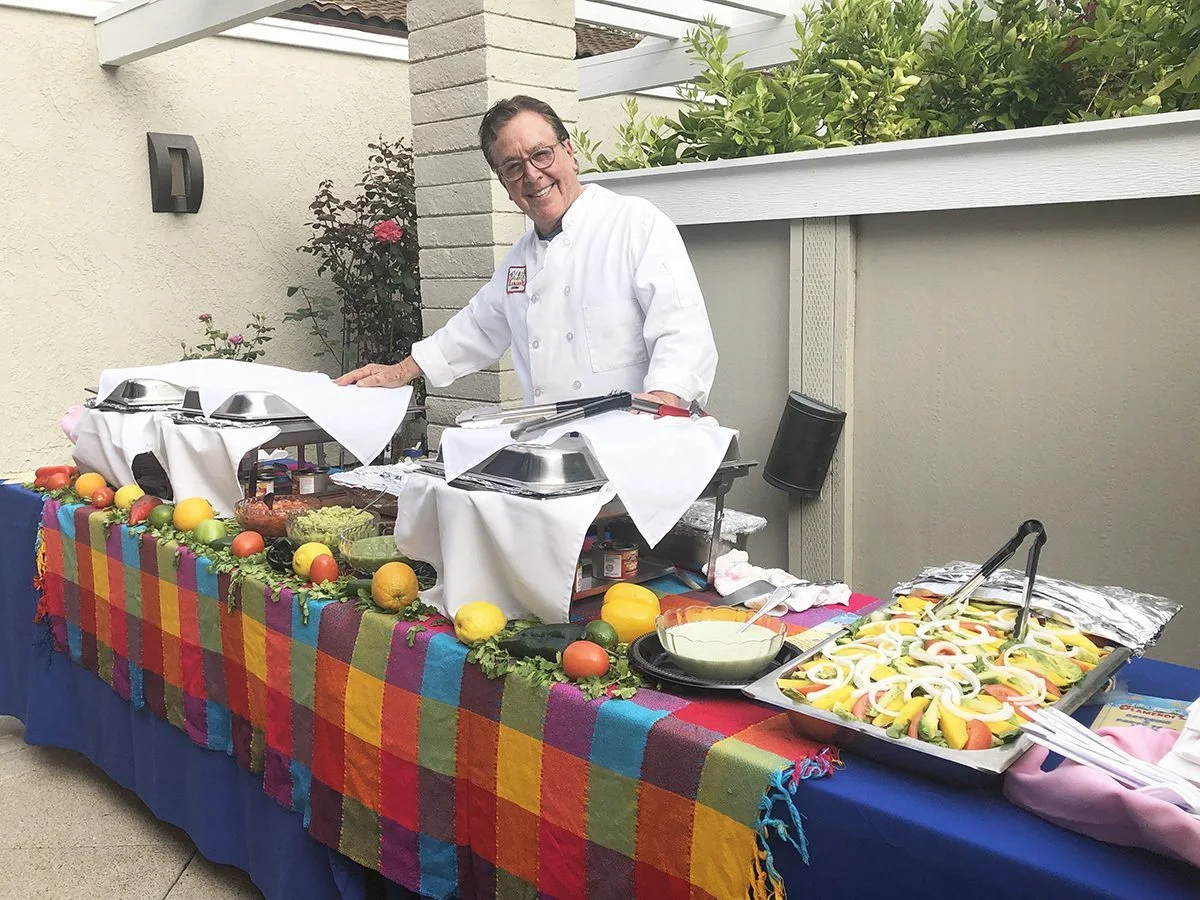
Turn the list into a confirmed order
Review the dish names, units, quantities, accompaniments, and total together. Ask how to report a change in attendance and when the final choices need to be settled. Save the agreed version for the person collecting the food.
An inquiry opens the conversation. Once the details are agreed, ask for order confirmation and the collection instructions. If someone else takes over the organizing, pass along that final version rather than a set of earlier messages.
How much should I order if guests are bringing food?
Collect their dish plans before asking for quantities. Tell the catering team what part of the meal you want the order to cover. That is more useful than adding extra trays just because some details are still uncertain.
Can I collect the food well before everyone eats?
Discuss the serving time when arranging collection. Ask the restaurant about suitable timing and handling for the dishes you choose, then decide who will take responsibility for the food between pickup and the meal.