
Catering 4 minute read
Office catering: give lunch a place in the schedule
An office lunch should give people a chance to eat and spend time together. A little planning helps protect that break: choose a meal that fits the room, allow time to get the food onto the table, and make the purchase easy to approve. Start with the agenda and confirmed attendance, then use the catering menu to put together a request everyone involved can understand.
Updated
Work backward from the time people will eat
Write down when lunch begins and when the next meeting or training session starts. Allow time before that break for collection, travel, building access, and arranging the food. A lunch scheduled on the calendar still needs someone to make those steps happen.
Check whether everyone is eating at once. If a team works in shifts or some people join after the presentation, explain that in the inquiry. Start with confirmed attendance, note possible additions, and ask when the final count needs to be settled.
Match the menu to the room
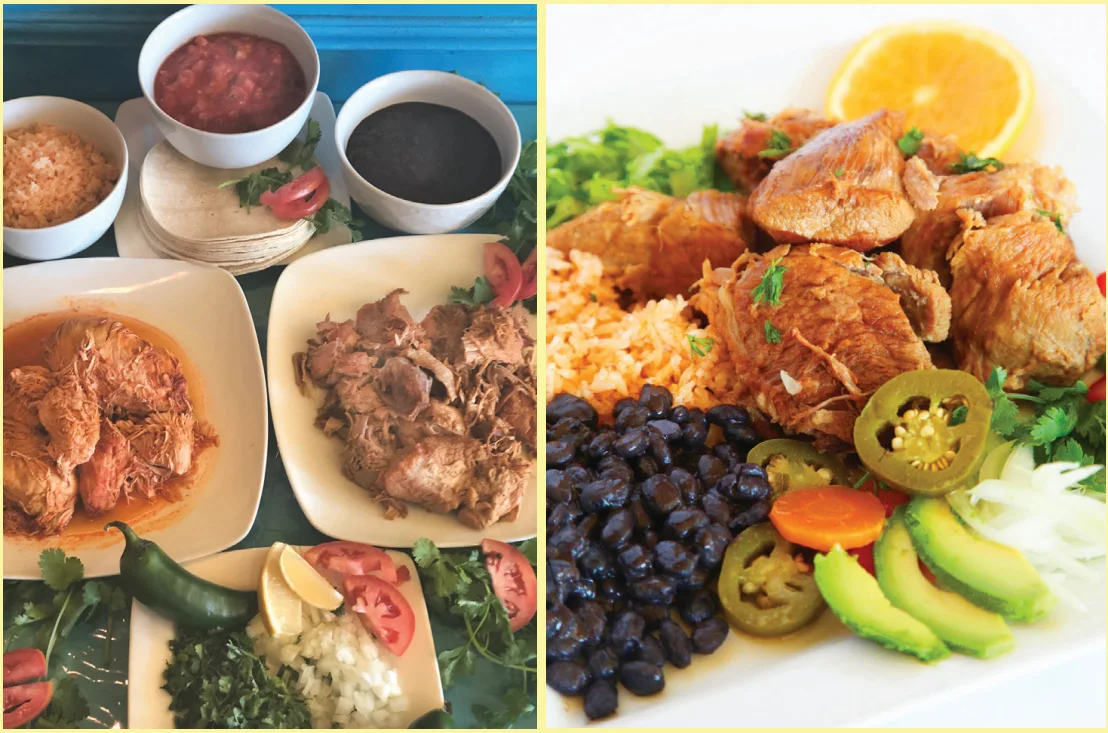
Tacos and enchiladas by the dozen, with rice and bean trays, are options for a shared lunch. Walk through the room before choosing: where will the dishes go, where will plates be, and can people reach the food without crowding a doorway?
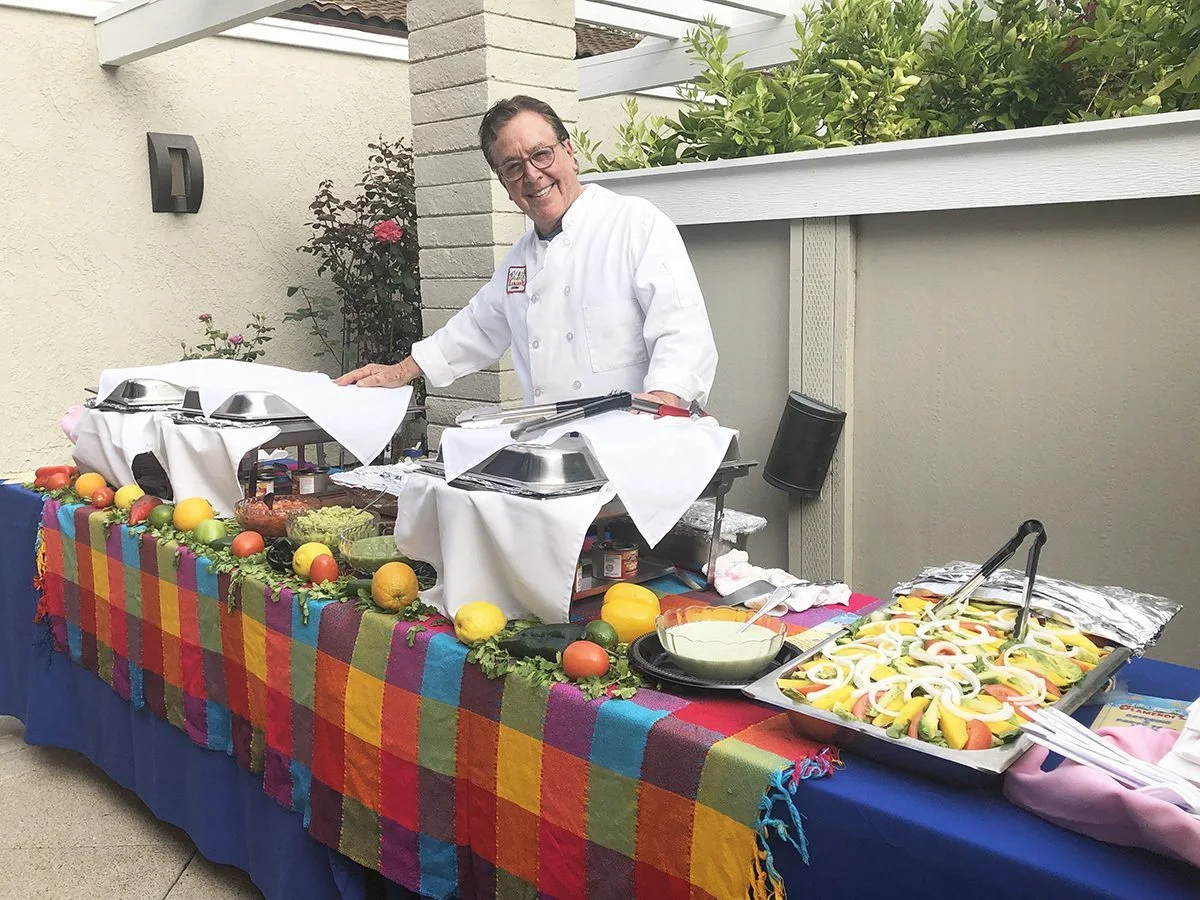
A taco bar is another format to discuss. Ask about the food, accompaniments, and service arrangements available for your event. This will help you decide how much space is needed and what the office must provide. Delivery, setup, serving, and equipment should each be part of that conversation if you want them.
Collect preferences without creating twenty separate orders
Choose one person to gather dish preferences and ingredient questions. For a shared meal, a short list of the choices people would enjoy is a useful start. Keep specific ingredient questions attached to the person and dish they concern so the answers stay clear.
If some attendees are bringing their own meal, note that before estimating quantities. If attendance is still changing, share both the confirmed count and the possible additions instead of quietly building a guess into the order.
Make the request easy to quote and approve
Put the event and purchasing details in one brief. That lets the catering team discuss the meal while the approver can see what the office is committing to.
- Event date, location, intended serving time, and any staggered breaks.
- Confirmed attendance, possible additions, and preferred dishes.
- Ingredient questions and any food already being supplied elsewhere.
- Budget and any purchase-order, receipt, or payment requirements.
- Collection contact, building access, and who will arrange the table.
Compare the whole proposed order
When a quote comes back, check the dish quantities and included accompaniments, then check the arrangements around the food. If you requested delivery, setup, or equipment, confirm what has been included and what it costs. Ask about anything that remains undecided.
Keep approval attached to the current version. A change in attendance or service arrangements can affect the order, so check the revised total before asking the restaurant to proceed. This gives both the approver and organizer a clear record to work from.
Hand over the final version
Share the confirmed order with the person paying and the person collecting. Include ingredient answers, the agreed time, collection instructions, and the name of the person receiving the food at the office.
If responsibility changes on the day, hand over those details together. The aim is simple: the person carrying the food should know what was ordered, where it is going, and who is expecting it.
What if the guest count changes?
Ask how the change affects quantities, cost, and timing, then get the revised order confirmed. Keep the last agreed version clearly marked so nobody collects or approves from an earlier quote.
What should we ask about payment paperwork?
Explain your organization’s requirements before confirming the order. Ask about any receipt, purchase-order details, or payment process you need. Settling that early helps avoid leaving the person collecting lunch with a purchasing question they cannot answer.